TPO, EPDM, and PVC: Comparing Single-Ply Roof Installation Options
People searching for TPO, EPDM, and PVC roof installation are typically looking to find experienced local contractors who can help them compare and choose the best single-ply roofing options for their building.
For property owners exploring options for single-ply roof installation, understanding the differences between TPO, EPDM, and PVC can be essential for making an informed decision. These materials each have unique qualities that may influence durability, energy efficiency, and overall performance, making them practical considerations for commercial and residential buildings alike. As you continue reading, you'll discover how local contractors who specialize in TPO, EPDM, and PVC roofing can help evaluate your specific needs and recommend the best approach for your property.
Choosing the right roofing material involves weighing factors such as weather resistance, installation process, and long-term maintenance. Property owners in the area often turn to local service providers for guidance because they understand the local climate and building requirements. Keep exploring to learn more about how these single-ply options compare, and how experienced local contractors can assist in finding a solution that aligns with your property's needs and your long-term goals.
- TPO roof installation - suitable for large commercial roofs needing energy efficiency, with local contractors offering quick, durable single-ply solutions.
- EPDM roof installation - ideal for low-slope roofs requiring flexibility and weather resistance, handled by local service providers experienced in membrane applications.
- PVC roof installation - recommended for roofs with high UV exposure or chemical resistance needs, with local pros providing precise, long-lasting membrane setups.
- Comparing single-ply options - helps property owners choose the best material based on climate, roof type, and budget, with local contractors offering guidance and installation.
- Choosing the right roof - depends on specific project requirements, with local service providers ready to assist in evaluating and installing TPO, EPDM, or PVC membranes.
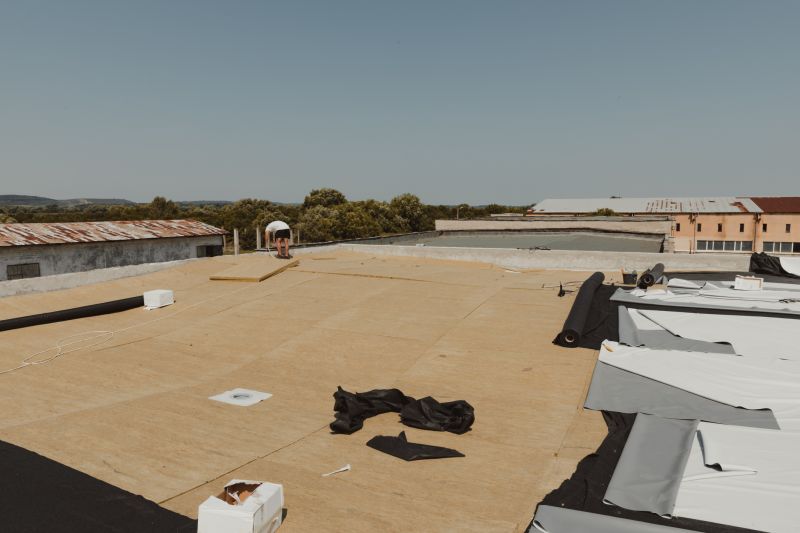
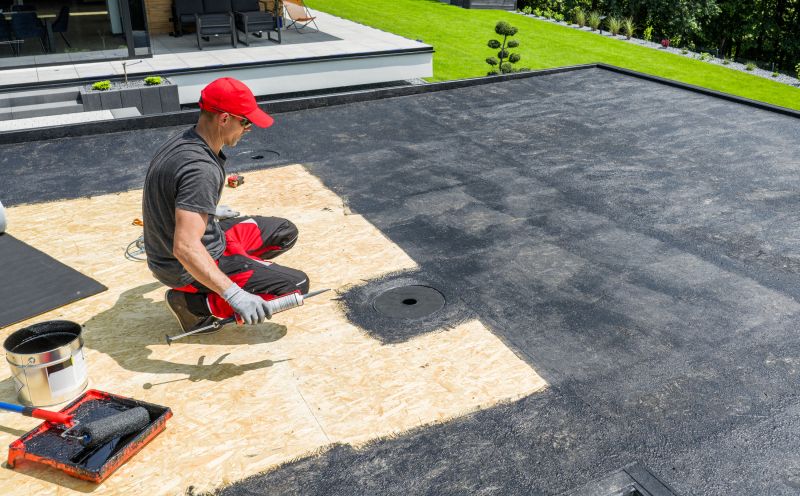
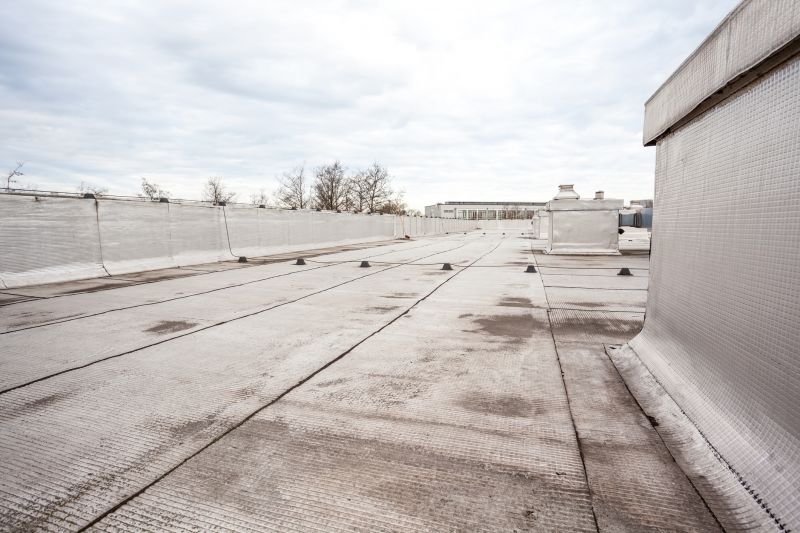
When people search for information on TPO, EPDM, and PVC: comparing single-ply roof installation options, they are often trying to understand the differences between these roofing materials to make informed decisions about their property. Typically, the search stems from a need to replace or upgrade an aging roof, or to select the most suitable roofing system for a new construction project. Homeowners and property managers may be concerned about durability, weather resistance, and long-term performance, especially when considering options that can provide reliable protection against leaks and environmental exposure. This exploration helps them weigh the advantages and limitations of each material, ensuring they choose a roofing solution that aligns with their property's needs and future plans.
These roofing options are commonly associated with flat or low-slope roofs, which are prevalent on commercial buildings, apartment complexes, and some residential structures. Properties with large, open roof surfaces often seek single-ply membrane systems because of their ease of installation and cost-effectiveness. Problems that lead property owners to consider these materials include aging roofs requiring replacement, leaks caused by wear and tear, or the desire to improve energy efficiency through reflective surfaces. Planning for a new roof installation or a replacement project involves evaluating the specific needs of the building, such as resistance to ponding water, UV exposure, or thermal performance, which can influence the choice among TPO, EPDM, and PVC.
The typical properties that come up in discussions about single-ply roofing are commercial warehouses, office buildings, retail centers, and multifamily residential complexes. These structures often feature large, flat or gently sloped roofs that benefit from the quick installation and seamless coverage provided by single-ply membranes. Homeowners with flat or low-slope roofs on accessory structures or certain modern designs might also explore these options. When considering these materials, property owners often seek the expertise of local contractors who specialize in single-ply roof installation, as proper installation is crucial for ensuring the longevity and performance of the chosen roofing system. Connecting with experienced local service providers can help clarify which material best fits the property's specific conditions and future maintenance plans.
Commercial roofing projects - local contractors experienced in single-ply roof installation often handle large commercial roofing systems that require precise planning and specialized tools similar to those used for TPO, EPDM, and PVC roofs.
Flat roof replacement services - replacing flat roofs involves similar surface preparation and membrane installation techniques as those used in single-ply roofing options, making these projects related in skill and planning.
Roof membrane repair and maintenance - repairing existing membrane roofs requires knowledge of material properties and installation methods comparable to those used in TPO, EPDM, and PVC roofing systems.
Building waterproofing projects - waterproofing large structures involves planning and application techniques aligned with the installation of single-ply roofing membranes for effective moisture barriers.
Commercial roof coating applications - applying reflective or protective coatings on flat roofs shares tools and surface preparation skills with installing TPO, EPDM, and PVC membranes.
Insulation and roofing system upgrades - upgrading roofing systems often requires coordination of insulation and membrane installation, involving similar planning and technical skills as those needed for single-ply roof options.
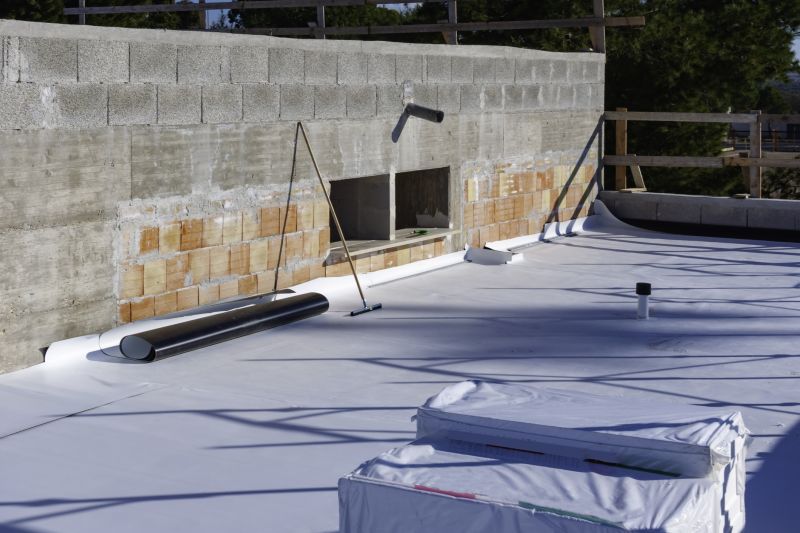
When evaluating service providers for TPO, EPDM, and PVC roof installation services, it is important to consider their experience with similar projects. Homeowners should inquire about the types of roofs they have installed in the past, particularly those comparable in size, complexity, or material. A contractor with a history of successful installations on comparable roofs can provide insights into potential challenges and solutions, helping to ensure the chosen material and installation approach are well-suited to the specific needs of the home.
Clear communication and well-defined expectations are essential when comparing local contractors for single-ply roof options. Homeowners should seek providers who can clearly explain the differences between TPO, EPDM, and PVC, including their respective benefits and limitations. It’s also helpful to review written estimates or proposals that outline the scope of work, materials to be used, and project timelines. This transparency helps prevent misunderstandings and ensures that both parties have aligned expectations throughout the project.
Reputable references and the ability to provide good communication are key factors in selecting a service provider. Homeowners are encouraged to ask for references from past clients, particularly those who have had similar roofing projects completed. Reliable contractors will be willing to share contact information for previous customers and demonstrate responsiveness to questions or concerns. Good communication throughout the process fosters trust and helps ensure that any questions about material choices-such as TPO, EPDM, or PVC-are addressed thoroughly, leading to a smoother installation experience.
Property owners often search for TPO, EPDM, and PVC: comparing single-ply roof installation options when they are planning practical projects around their homes and businesses. Local pros provide TPO, EPDM, and PVC Roof Installation services for everyday jobs and straightforward project options.
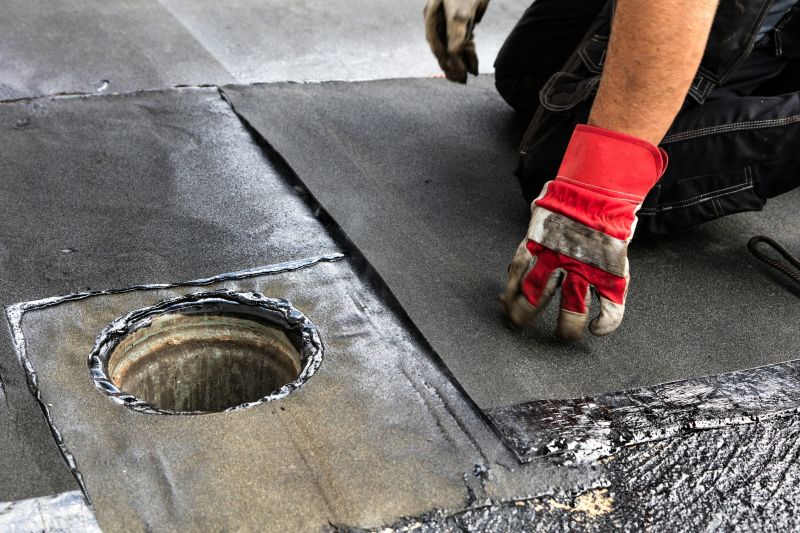
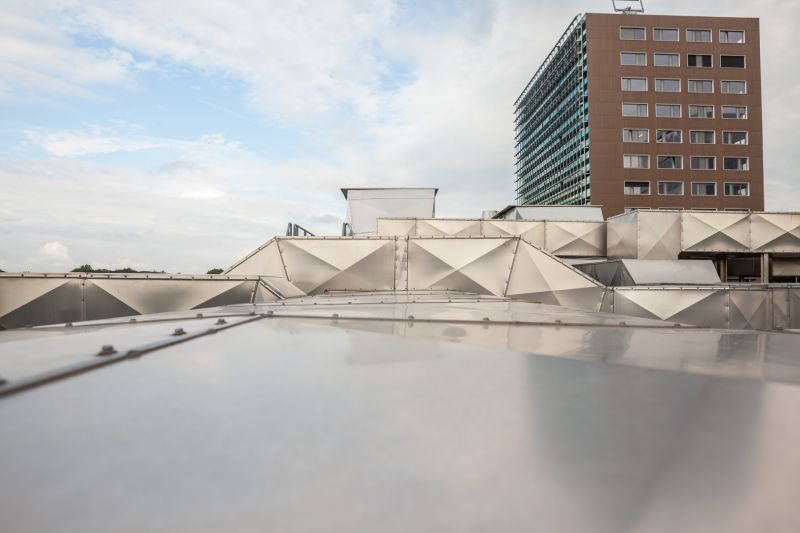
When considering different single-ply roof installation options, property owners often look into TPO, EPDM, and PVC roofing systems to determine which best suits their building’s needs. Homeowners and business owners in the area might search for information to understand the differences in durability, installation process, and suitability for their specific project situations. Local contractors who specialize in these roofing types can provide guidance tailored to local weather conditions and building requirements, helping property owners make informed decisions about which material aligns with their maintenance preferences and long-term goals.
Choosing between TPO, EPDM, and PVC roofs can seem complex without the right expertise. Property owners might seek out local service providers to learn about the advantages and limitations of each option, such as resistance to UV rays, flexibility, or seam strength. These professionals can handle the installation process efficiently and ensure that the chosen roofing system fits the property’s unique structure and environment. Connecting with experienced local contractors can help property owners find the best single-ply roofing solution to meet their needs and ensure a reliable, long-lasting roof.
What are the main differences between TPO, EPDM, and PVC roofing materials? TPO, EPDM, and PVC are single-ply roofing options that differ in material composition, durability, and installation methods. Local contractors can provide detailed comparisons based on specific building needs and help determine the best choice for a roof.
How do TPO, EPDM, and PVC roofs compare in terms of lifespan? Generally, PVC roofs tend to have the longest lifespan, followed by TPO and EPDM, but actual longevity depends on installation quality and maintenance. Local service providers can advise on expected durability based on local conditions.
Are TPO, EPDM, and PVC roofs suitable for all types of buildings? Each roofing type has its advantages and limitations depending on building size, climate, and usage. Local pros can assess a property's specific requirements to recommend the most appropriate single-ply roofing option.
What are the installation considerations for TPO, EPDM, and PVC roofing systems? Installation methods vary: TPO and PVC are typically heat-welded, while EPDM is often adhered or mechanically attached. Experienced local contractors can ensure proper installation for optimal performance.
Can local contractors help decide which single-ply roof material is best? Yes, local service providers can evaluate a building’s needs, existing roof conditions, and environmental factors to recommend the most suitable TPO, EPDM, or PVC roofing option.
Assessing durability needs - property owners can evaluate which single-ply roofing material best suits their building’s exposure to weather and foot traffic by consulting local contractors experienced in TPO, EPDM, and PVC options.
Choosing material compatibility - homeowners planning roof replacements can consider how each roofing type integrates with existing roofing systems and insulation, with guidance from local service providers.
Understanding installation differences - property owners can explore the installation processes of TPO, EPDM, and PVC to determine which method aligns with their project timeline and building structure, supported by local pros.
Evaluating maintenance requirements - individuals can compare the upkeep needs of each roofing material to select the most practical option for their property, with assistance from local contractors familiar with all three options.
If you are thinking about TPO, EPDM, and PVC: comparing single-ply roof installation options for a property, this guide is meant to help you understand this topic, the typical project types, and how different options might fit your plans.
When you are ready, you can use the quote form on this page to share a few details about your project. From there, local pros can review the basics and follow up with options that match what you have in mind.